Africatown: The Clotilda's Survivors
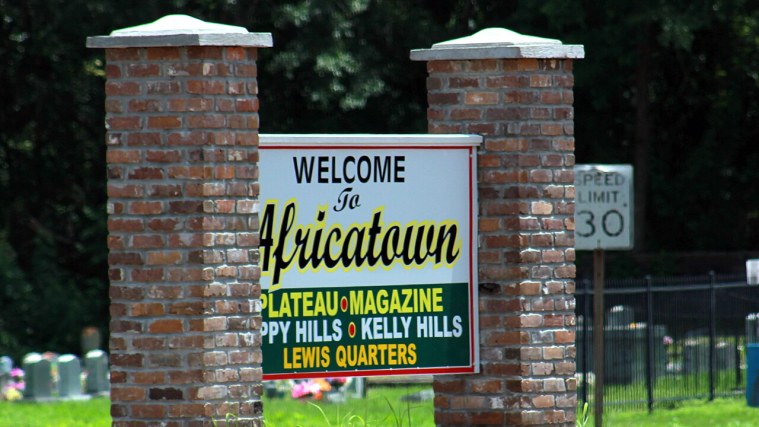
Photo: Graveyardwalker (Amy Walker), CC BY-SA 4.0 (cropped)
In July 1860, more than fifty years after the United States banned bringing enslaved people into the country, the schooner Clotilda smuggled about 110 Africans into Mobile. After emancipation, survivors of that voyage bought land north of the city and built their own town, keeping their languages, their leaders and their names. Their descendants still live here.
This tour follows their story in order, from the voyage to today. It starts at the Africatown Heritage House on Wimbush Street, makes one drive of about 15 minutes each way to the downtown Mobile riverfront, then returns to Africatown, where the remaining stops are a short walk or drive apart. Allow about two hours, plus time for the exhibit.
The Heritage House uses timed tickets; check clotilda.com for current hours and prices before you go. Africatown is a living neighborhood: stay on public streets, visit the church and cemetery quietly and respectfully, and do not photograph private homes.
7 stops on this tour:
Africatown Heritage House - Their Story First
Mobile Riverfront - Past the Port by Night
Africatown Boulevard - The River Kept the Secret
Union Missionary Baptist Church - A Town of Their Own
Old Plateau Cemetery - Where Kossola Rests
Mobile County Training School - Africatown Learns
Africatown Welcome Center - Still Here, Still Building
Plan your visit
- Route: 7 stops · about 11 miles · walking, plus a ride for the longer legs
- Time: about 2 hours at an easy pace, with stops
- Start: Africatown Heritage House (directions)
- Cost: free tour
Stops on this tour
- Africatown Heritage House - Their Story First
- Mobile Riverfront - Past the Port by Night
- Africatown Boulevard - The River Kept the Secret
- Union Missionary Baptist Church - A Town of Their Own
- Old Plateau Cemetery - Where Kossola Rests
- Mobile County Training School - Africatown Learns
- Africatown Welcome Center - Still Here, Still Building
More tours nearby
- New Orleans French Quarter Walk (131 mi) - A two-hour loop through the old city, where French, Spanish, African and Caribbean roots shaped the buildings, the music and the food.
- Selma: Bloody Sunday and the Vote (131 mi) - Walk the route of Bloody Sunday from Brown Chapel to the Edmund Pettus Bridge, and meet the people who won the right to vote.
- Montgomery: Legacy and Civil Rights Road (153 mi) - From the river landing and slave market to the Capitol steps: Montgomery's hard history, told through EJI's Legacy Sites and civil rights landmarks.