National Voting Rights Museum - The Road to the Vote
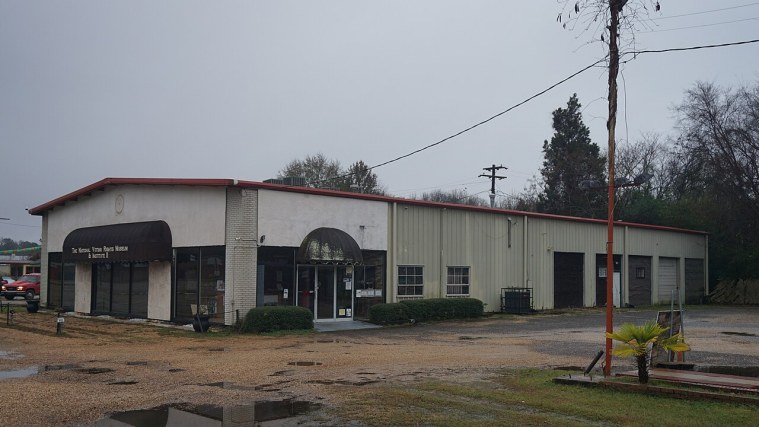
Photo: Michael Barera, CC BY-SA 4.0 (cropped)
A stop on Selma: Bloody Sunday and the Vote, a free self-guided tour.
You have crossed the river. Near the far end of the bridge, close to where the troopers waited on Bloody Sunday, stands the National Voting Rights Museum and Institute. It was founded in 1991 by veterans of the movement, among them Faya Ora Rose Toure, Marie Foster and Amelia Boynton Robinson, and opened in 1993. Inside, the Footprints to Freedom exhibit preserves casts of the footprints of people who marched, and other rooms honor local residents and the women who fought for the vote.
The story you have followed did not end at the bridge. On March 21, 1965, thousands set out from Brown Chapel, and on March 25 about 25,000 people gathered at the Alabama State Capitol. On August 6, 1965, President Lyndon Johnson signed the Voting Rights Act, which outlawed the literacy tests and other barriers used to keep Black citizens from voting. The march route continues 54 miles to Montgomery as the Selma to Montgomery National Historic Trail.
Check the museum's website for current hours and admission.
Getting here: Continue across the bridge and down the far side; the museum is just ahead on U.S. Highway 80.
Did you know?: One display is a huge enlargement of part of James Karales' famous photograph of marchers on the road to Montgomery, taken for Look magazine.
Photo op: Turn back toward the bridge for the view the marchers had as they left Selma behind on their way to Montgomery.
More on Wikipedia: National Voting Rights Museum · Voting Rights Act of 1965 · Marie Foster · Amelia Boynton Robinson
Stops on this tour
- Brown Chapel AME Church - Where the Marches Began
- First Baptist Church - The Movement's Open Door
- Carver Homes - Where the Marchers Gathered
- Martin Luther King Jr. Street - A Street of Memory
- Dallas County Courthouse - The Long Lines to Vote
- Selma Interpretive Center - At the Foot of the Bridge
- Edmund Pettus Bridge - Bloody Sunday
- National Voting Rights Museum - The Road to the Vote