Circular Quay - Where the First Fleet Landed
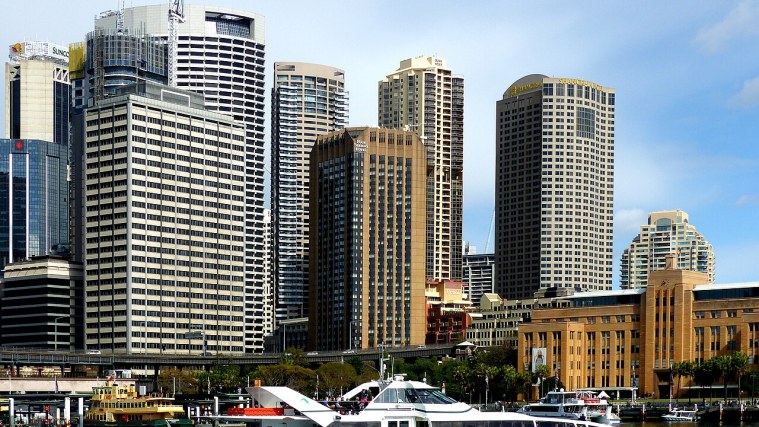
Photo: Bernard Spragg. NZ from Christchurch, New Zealand, CC0 (cropped)
A stop on Sydney Harbour: Rocks to Opera House, a free self-guided tour.
You're standing on the shore of Sydney Cove, which the Gadigal people call Warrane. For thousands of years they fished these waters from bark canoes and gathered shellfish along the rocks. On January 26, 1788, Captain Arthur Phillip brought the eleven ships of the First Fleet into this cove and raised the British flag, founding a penal colony. He chose the spot partly for a freshwater creek, the Tank Stream, that flowed into the head of the cove. For the Gadigal it was the start of dispossession, disease and conflict, and Aboriginal people mark the date in very different ways from other Australians.
The tidy curve of stone in front of you came later: the quay was built between 1837 and 1844 on a reshaped shoreline, and the Tank Stream was buried beneath it. Ships and warehouses once crowded here. Today it's the hub of Sydney's ferries, and the big cruise ships tie up at the Overseas Passenger Terminal on the west side of the cove.
Getting here: The tour starts on the waterfront at Circular Quay, beside the ferry wharves and a short walk from the train station and the cruise terminal.
Did you know?: Despite its name, Circular Quay was never actually a circle: it was built as a semicircle, and its first name, Semi-Circular Quay, was later shortened.
Photo op: Walk to the end of the wharves and frame the Harbour Bridge on your left and the Opera House on your right, with green-and-gold ferries in the foreground.
More on Wikipedia: Circular Quay · First Fleet · Arthur Phillip · Tank Stream
Stops on this tour
- Circular Quay - Where the First Fleet Landed
- Museum of Contemporary Art - Art Deco on the Quay
- Cadmans Cottage - The Coxswain's House
- The Rocks Laneways - Convict Town Saved
- Observatory Hill - Time Ball over the Harbour
- Harbour Bridge Walkway - Across the Coathanger
- Campbells Cove - Merchant Stores and Cruise Ships
- Sydney Opera House - Sails on Bennelong Point
- Government House - A Gothic Castle for Governors
- Royal Botanic Garden - From Failed Farm to Garden
- Mrs Macquaries Chair - The Governor's Wife's View